
Lighting Guides
Diwali Electrical Safety: How Safe Wiring Can Reduce Fire Risk at Home
Diwali electrical safety becomes especially important when homes suddenly use more decorative lights, extension boards, temporary connections
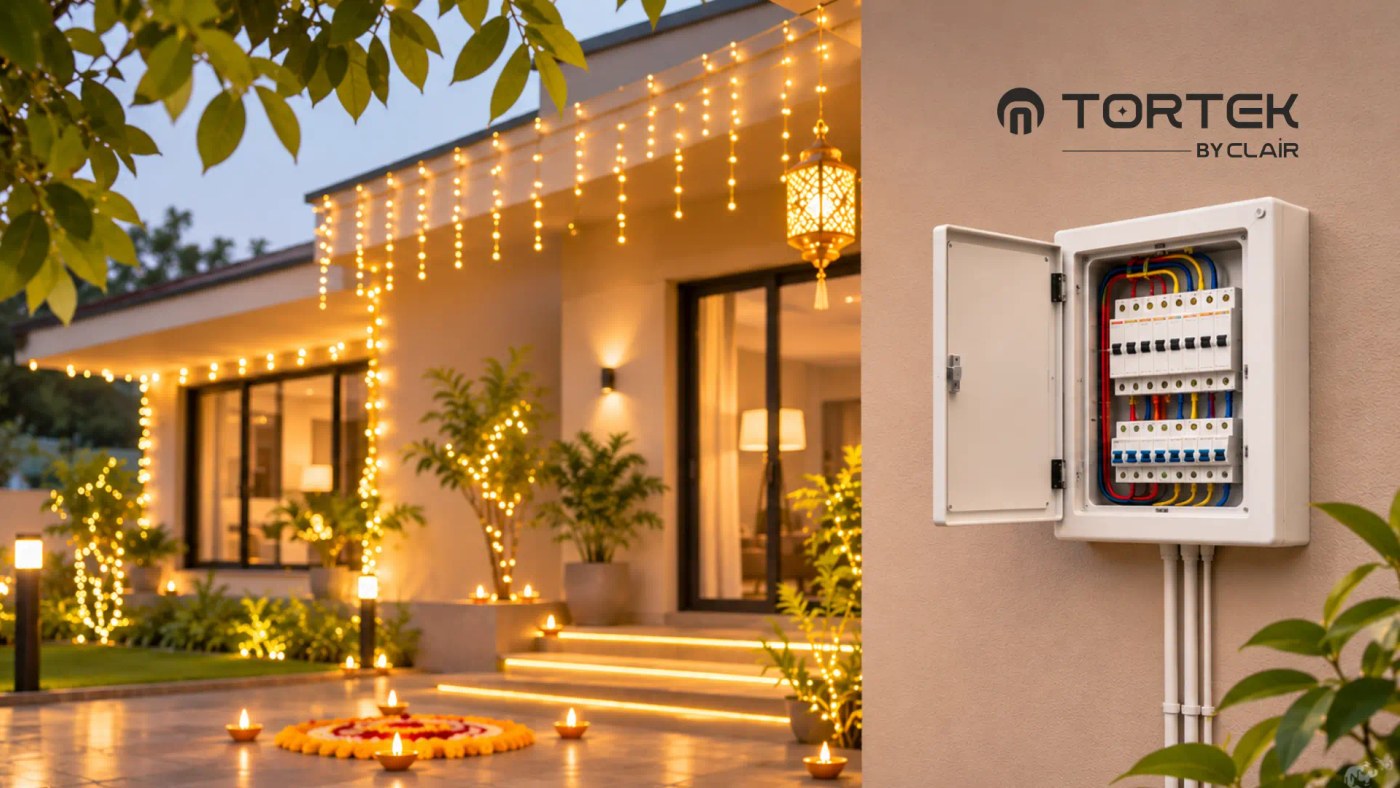
Diwali electrical safety becomes especially important when homes suddenly use more decorative lights, extension boards, temporary connections and electrical decorations than they normally would.
The festival naturally brings additional fire risks from crackers, diyas and candles, but electricity is another part of the safety conversation that can easily be overlooked. Decorative lights may remain switched on for hours, several strings may share one socket, and temporary wiring may be connected only for a few days without the same attention given to a permanent installation.
That combination can turn an existing electrical weakness into a serious problem.
Diwali Brings A Concentration Of Fire Incidents
There is no reliable national dataset showing that accidental deaths specifically increase across India during Diwali. However, city-level fire-service data clearly shows how concentrated fire incidents can become during the festival period.
Delhi Fire Services received around 280 fire-related calls on Diwali night in 2025, after receiving around 314 calls during Diwali night in 2024.
Pune has seen a similar pattern of festive fire incidents. Fire Brigade data reported 19 incidents during Diwali in 2022, 35 in 2023 and 60 in 2024, before the figure declined to 43 in 2025.
Not every one of these incidents is electrical. Firecrackers remain an important cause during Diwali. But electrical decorations, short circuits and overloaded connections are recognised festive-season hazards too. Every local state electricity body specifically advises households to avoid overloaded sockets, damaged wires and unsafe decorative-light connections during Diwali.
Explore Tortek by Clair Wires & Cables
Electrical Short Circuits Are Already A Major Fire Risk
The concern is not limited to Diwali.
India recorded 5,971 fire-accident cases in 2024, of which 1,042 were attributed to electrical short circuits. Short circuits accounted for roughly 17% of reported fire accidents that year.
In 2026, the Central Electricity Authority specifically highlighted short circuits, overloading, loose connections, ageing wiring, poor maintenance, substandard equipment and unauthorised modifications as leading causes of electrical fires across different types of buildings.
Diwali does not create all of these problems. What it can do is place additional demand on a wiring system where those weaknesses already exist.
Decorative Lights Can Add More Load Than Expected
One string of decorative lights may not seem significant. The problem begins when multiple light strings, lanterns, appliances and decorations are connected through the same socket or extension board.
Every electrical circuit is designed to handle a certain load. When too many devices are connected to one point, wires and connections can heat up. Loose plugs, damaged insulation or poor-quality connections can increase the risk further.
This is why it is advised not to overload sockets during Diwali and recommends using good-quality, certified decorative lighting products.
A festive setup should therefore begin by asking whether the existing electrical point is suitable for what is being connected to it.
Explore Clair's Complete Electrical Ecosystem
Temporary Wiring Should Not Mean Unsafe Wiring
Diwali decorations are temporary, but the electrical risk is real.
People sometimes create makeshift connections because a light string or lantern will only remain installed for a few days. Damaged wires may be joined temporarily, bare wire ends may be inserted directly into sockets, or long extensions may be routed around furniture and doorways.
The Delhi Fire Service similarly advises against temporary or naked wiring joints and warns against placing wires beneath carpets, mats or doorways where they can be damaged and short-circuit.
Temporary use should never become an excuse for temporary safety standards.
Good Wiring Starts Behind The Decoration
The safest decorative light is still connected to the home's underlying electrical system.
That means electrical wiring safety begins with the conductor, insulation, connections, protection devices and earthing already present inside the building.
Old or damaged wiring may struggle when additional loads are introduced. Loose electrical connections can generate heat. Poor-quality wires and fittings can increase fire risk, while inadequate protection may allow an electrical fault to develop further before the circuit is disconnected.
The Central Electricity Authority's 2026 electrical safety programme emphasised safe design and installation, regular inspection and maintenance as core parts of preventing electrical fires.
This is why wiring should not be considered only when something stops working. Its condition matters every day, and especially when electrical demand increases.
Read More About Tortek by Clair
Earthing And Protection Matter Too
Safe home wiring is not only about the wire itself.
Proper earthing and correctly selected protective devices are important parts of the electrical system. Tata Power-DDL has also advised consumers to consider RCCB protection for temporary festive wiring and to use qualified electricians when installing decorative lights.
These systems are designed to respond when something goes wrong. Their role becomes particularly relevant when additional electrical equipment is temporarily added during festivals.
Keep Electrical Decorations Away From Fire And Water
Diwali combines electricity with several things electricity should not meet: open flames, firecrackers and sometimes outdoor exposure.
Decorative electrical lights should be kept away from curtains, bedding and other combustible materials. Diyas and candles should also be positioned away from electrical connections and decorations.
Outdoor lighting requires additional care because moisture, metal railings and exposed electrical connections can introduce further risks.
The safest installation is one where electrical decorations have been planned as electrical equipment, not simply treated as decoration.
Explore Clair Illumination Solutions
A Simple Diwali Electrical Safety Check
Before switching on the festive lights, take a few minutes to look at the electrical setup.
Check whether wires are cut, frayed or damaged. Avoid connecting too many lights or appliances to one socket. Use proper plugs rather than bare-wire connections. Keep electrical decorations away from flames and wet surfaces, and do not run wires beneath carpets or through places where they can be crushed.
If the home's wiring is old, connections are heating up, sockets are damaged or circuits frequently trip, the problem should be inspected by a qualified electrician rather than worked around with another extension board.
These are small checks, but they address the same risks identified repeatedly by Indian electrical and fire-safety authorities.
Diwali Safety Begins Before The Lights Come On
Electrical wiring cannot prevent every accident associated with Diwali. Firecrackers, open flames and other hazards require their own precautions.
But safer wiring, appropriate electrical protection and responsible use of decorative lights can reduce an important category of preventable risk.
A home may look completely different during Diwali, but the electrical system behind those lights remains the same one used throughout the year.
Making sure that system is safe is one of the simplest ways to make the celebration safer too.
Tortek by Clair. Built for connections that matter.
FAQs
1. Why is electrical safety important during Diwali?
Homes often use additional decorative lights and temporary electrical connections during Diwali. Overloaded sockets, damaged wiring and poor connections can increase the risk of overheating, short circuits and electrical fires.
2. Can decorative Diwali lights cause a short circuit?
Yes. Damaged wires, loose connections, overloaded sockets or poor-quality decorative lights can contribute to electrical faults. Lights should be inspected before use and connected through suitable electrical points.
3. Is it safe to connect several decorative light strings to one socket?
Connecting several devices to one socket can overload the circuit or extension board. The electrical load and rating of the connection should be checked rather than continually adding more lights to the same point.
4. What should I check in my wiring before Diwali?
Look for damaged insulation, loose connections, broken sockets, exposed wires, overheating and other visible signs of deterioration. Electrical repairs should be handled by a qualified electrician.
5. How can safe wiring reduce electrical fire risk?
Good-quality wiring, appropriate conductor sizing, proper insulation, sound connections, earthing and suitable protective devices help an electrical system operate safely and respond appropriately when faults occur.
6. Should old home wiring be checked before adding Diwali lights?
If wiring is old, damaged, frequently trips protective devices or shows signs such as heating or loose connections, it should be inspected before additional festive electrical loads are connected.